Introduction:
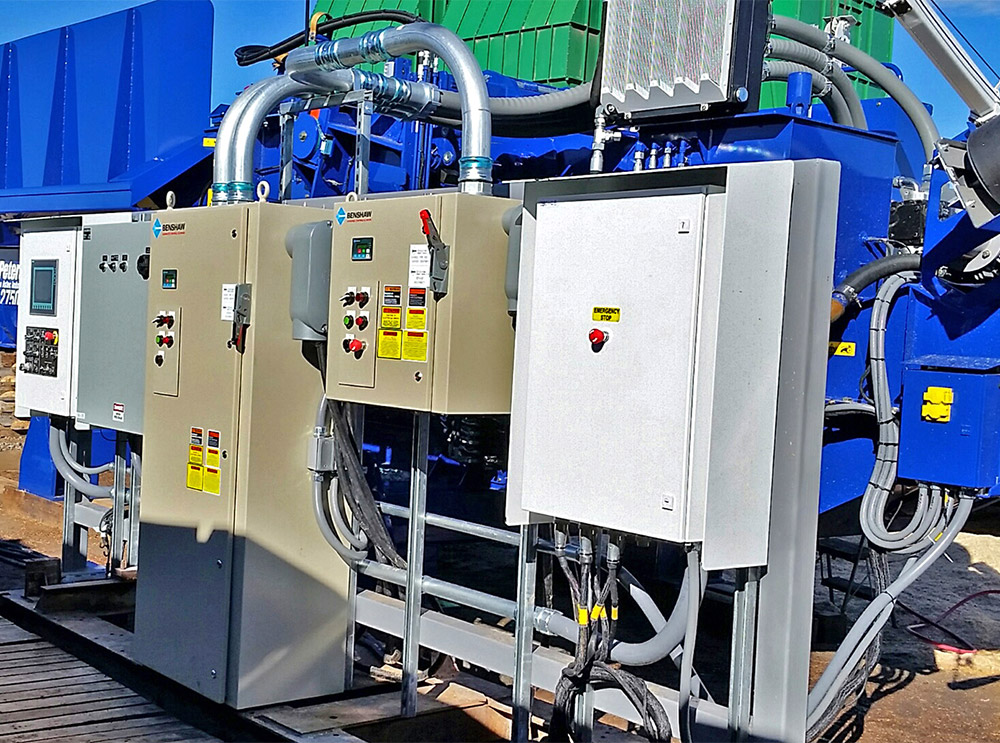
The safe and efficient operation of modern electrical equipment and control systems requires the successful testing, start-up and commissioning of this equipment, or system, to ensure correct operation, plus;
- Accurate troubleshooting
- Subsequent repair of this equipment, or system
- Ensuring continued productivity
Objectives:
- A better understanding of commissioning procedures
- A better understanding of troubleshooting procedures
- An improved capability in the use of test equipment
- A better understanding of failure modes and failure analysis
- A refreshed awareness of electrical safety concerns
The Course:
The Technology of Electrical Equipment
- Transformers – Power supplies (UPS) – Batteries
- Generators – Switchgear – Disconnect switches
- Neutral ground resistors (NGR)
- Motor control centers (MCC) – Variable frequency/speed drives (VFD/VSD)
- Programmable logic controllers (PLC) – Distributed control systems (DCS)
- Power monitoring
- Control relays/timers/switches – Motor/feeder protective devices
- Miscellaneous equipment – Heaters, solenoid valves, electric valve actuators and signalling/alarm devices
Commissioning and Testing of Electrical Equipment
- Methods
- Principles – Special techniques
- NEC check lists
Troubleshooting of Electrical Equipment
- Methods – Terminology – Principles
- Special techniques
- Case studies/examples
- Single line drawings
- Group exercises
The Use of Test Equipment
- Digital voltmeter (DVM)
- Megger
- Frequency meter
- Temperature probes/pyrometers
- Ammeters, Power meters
- Load banks
- Digital hydrometers
- Cable fault locators
The Interpretation and Use of Drawings
- Single-line electrical drawings
- Control schematics
- Wiring lists
- P&ID’s
- Logic and standard symbols
The Development of a Job Plan
- Identification of the troubleshooting step-by-step sequence
- Procedure preparation
- Follow-up
- Safety considerations and training
The Identification and Repair of Problems/Failures
- Common mode failures,Phase imbalance
- Electronic component failure, Fusing
- Fusing
- Motor windings/bearings/brushes
- Excitation circuits
- Battery cells, Inverters/rectifiers
- Inverters/rectifiers
- Bushings – Switches
- Control circuits
- Ground faults
A review of Safety Requirements
- Area classifications
- NEC electrical codes, Safety Information
Course Duration 18hrs/2weeks
click here to register for this course